



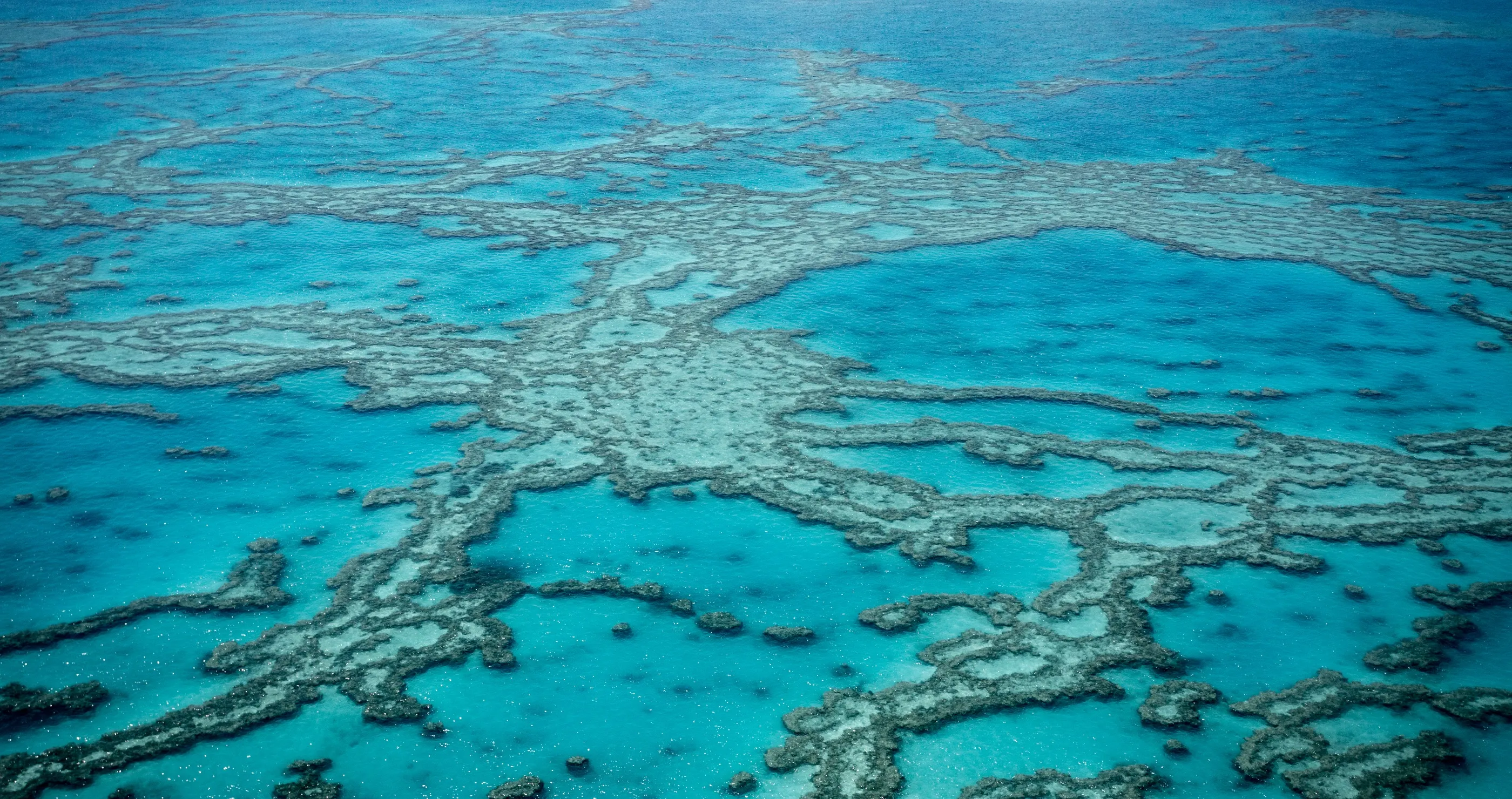

What started out as a great idea and an attempt to save the environment ended in destruction. The shipping industry is not known for its environmental practices. However, people tried to clean up the market by removing sulphur from a lot of shipping fuels. Although it sounded like a beneficial plan, it had the opposite effect. This removal of sulphur has led to an increase in coral bleaching at the Great Barrier Reef.
Videos by Outdoors
What Is Coral Bleaching?
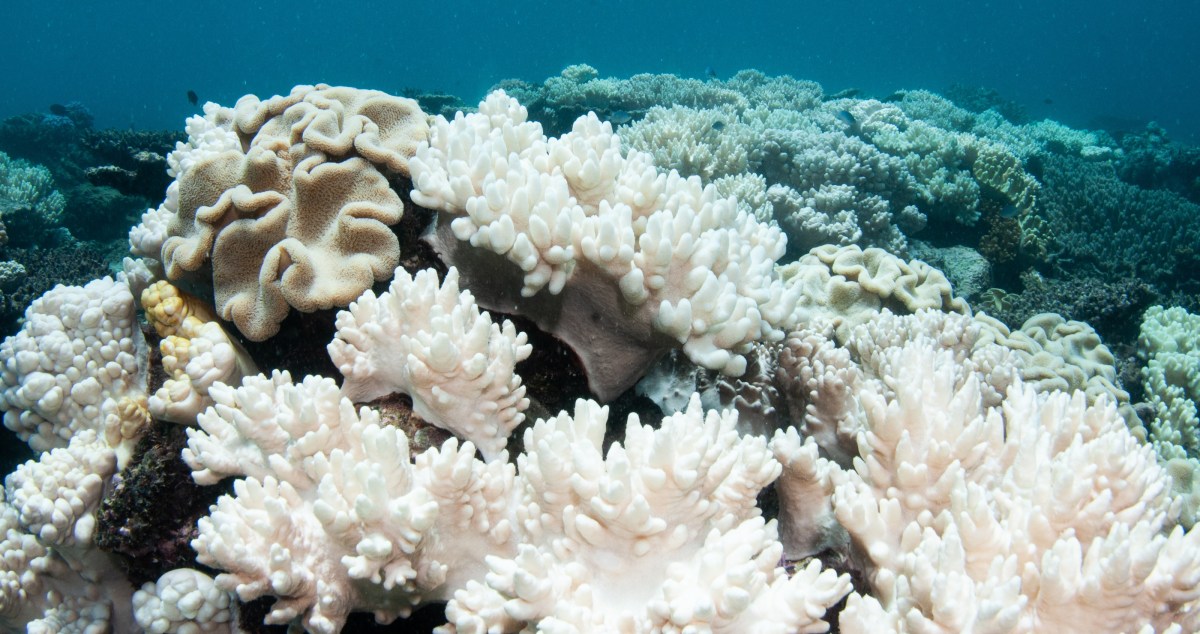
For those who are unfamiliar with the term coral bleaching, you may not understand exactly what is happening down at the Great Barrier Reef. According to The Coral Reef Alliance, “Coral bleaching is a phenomenon that occurs when corals lose their vibrant colors due to stress.” While many people think of coral as lifeless, the opposite is true.
In fact, coral is made of various things, including “an animal (polyp), symbiotic photosynthetic algae (zooxanthellae), and microorganisms (bacteria, archaea, fungi, and viruses).” During bleaching, corals expel the colorful zooxanthellae that reside in their tissues. By doing this, they reveal the “white calcium carbonate skeleton underneath.” This is where the term bleaching came from.
Not only are corals losing their color during the coral bleaching process, but they are also losing their main energy source: nutrients. Without that energy source, this leaves the corals more open to disease and starvation.
How This Event Contributed To The Destruction Of The Great Barrier Reef
So, how in the world did trying to clean up the shipping market have such a negative impact on the coral? The Guardian explained the interesting connection. While sulphur can cause respiratory issues for humans and terrifying things like acid rain, it was providing one benefit for the oceans.
According to the outlet, the sulphur “has a shading effect and can make clouds brighter, providing more shade to areas underneath.” By removing the sulphur from the shipping market, it also removed this shading effect. Thus, in turn, exposing the reef to a lot of extra sunlight. Increased sunlight means increased heat exposure, which can lead to coral bleaching and high amounts of stress on the reef.
What Happens Now?
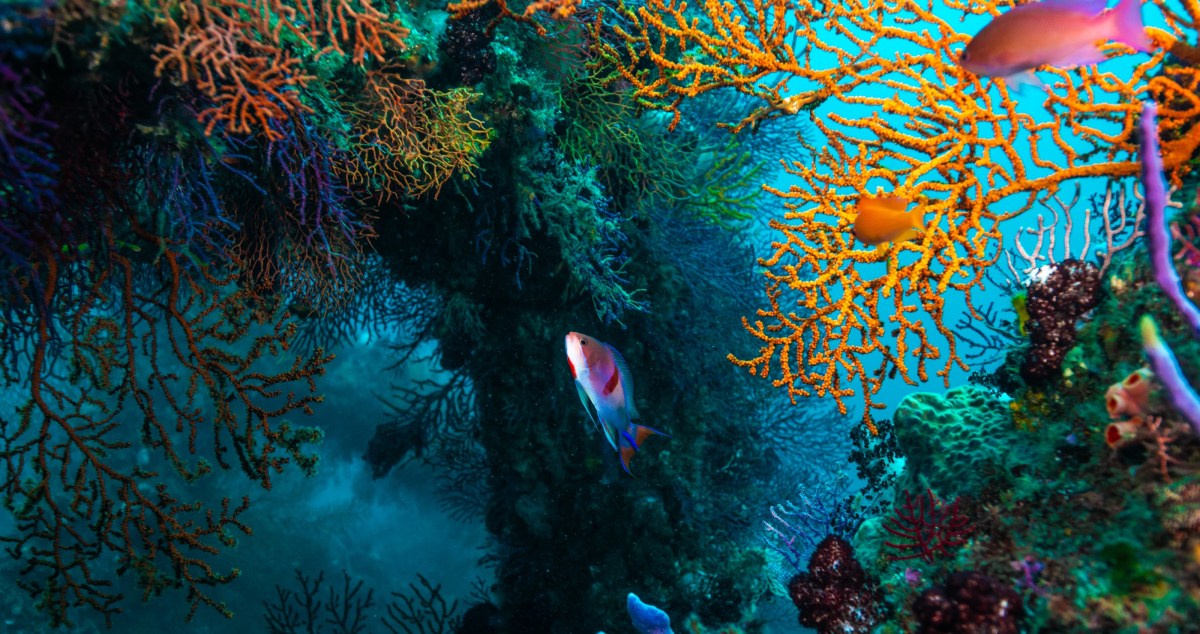
So, what happens now? How can we protect one of the world’s most vital ecosystems: the Great Barrier Reef? While it is unclear which route the shipping market will take to mitigate this issue, there is another issue at hand. The lack of sulphur is not the only factor leading to coral bleaching.
Increased global temperatures are also a major factor. Global heating has raised the ocean’s temperature, and in turn has affected massive amounts of marine life. While this issue may seem insurmountable, there are things that you can do to help save coral reefs worldwide. The United States Environmental Protection Agency shared these tips on how to help protect coral reefs.
- Recycle and dispose of trash properly: Marine debris can be harmful to coral reefs.
- Minimize use of fertilizers: harmful chemicals from the fertilizer can be washed away into waterways and end up in our oceans.
- Use environmentally friendly modes of transportation: this helps cutdown on the greenhouse gases that are emitted into the atmosphere.
- Reduce stormwater runoff: doing this can help prevent water pollution, reduce flooding, and protect our water resources.
- Save energy at home and work: turn off lights when not using them and use energy-efficient devices.
- Be conscious when buying aquarium fish: avoid purchasing living coral and ensure it has been collected in a sustainable manner.
- Spread the word: share the importance of coral reefs and our need to protect them.