



The love-hate relationship with zoos has been longstanding. There are some people, like myself, who have even stood on both sides of the argument. On the one hand, there is no denying that zoos can be cruel. Once-wild animals that used to roam free are now kept behind iron bars, simply existing for people’s amusement. However, there are other facilities that take in injured animals that would not otherwise survive, rehabilitate them, and help with conservation efforts. Certainly, seeing incredible wildlife in that way would be ethical, right? These institutions are setting out to answer those questions and prove that zoos can be ethical if created correctly.
Videos by Outdoors
How Can Zoos Be Ethical?
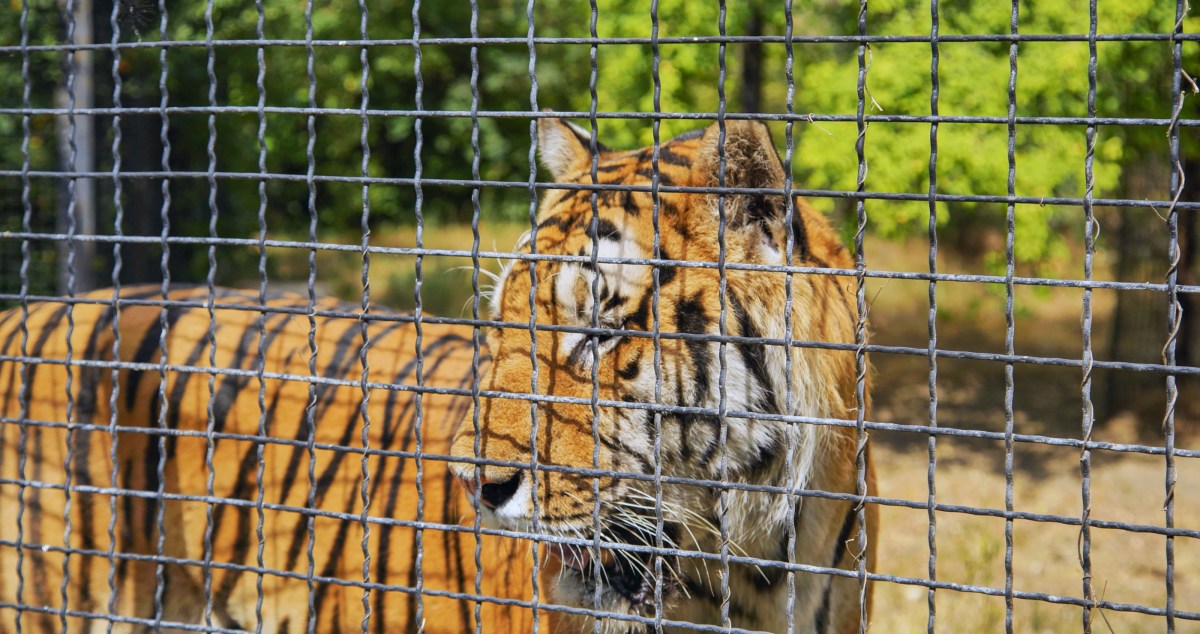
National Geographic highlighted some institutions that are doing zoos the right way. After first highlighting the early zoos of the 19th century and their barbaric practices, they now highlight more ethical zoos. First, they mentioned Jersey Zoo. According to the outlet, this zoo “opened in 1959 with a focus on the strategic conservation of endangered species rather than simply the display of animals.”
This zoo is seen as ethical by many because of the way it treats its animals and their habitat. National Geographic shared that the Jersey zoo has “spacious, naturalistic enclosures.” In addition to enclosures that provide space and a wild-like feeling, the zoo focuses on “captive breeding of at-risk species.” It is focused on restoring ecosystems rather than putting animals on display.
Another zoo that is labeled ethical is the Chester Zoo. Not only is it one of the UK’s largest zoos, but it also believes in a “conservation and welfare-centric approach.” Similar to the first zoo, this zoo features a conservation breeding program and features stunning habitats that actually provide ample space.
So Are Zoos Changing For The Better?
Even with institutions like the two listed above, many people still feel that zoos are inherently bad. That is mainly because a lot of people believe that animals should be in the wild. However, animal ethicist Samantha Ward of Nottingham Trent University spoke about what the wild is like now. “The truth is, the wild is no longer this place where animals roam free, and it’s all happy and wonderful,” she admitted.
Ward focuses on several factors when creating spaces for animals in zoos that are ethical. Those factors include “ensuring that the creatures have enough space, environment, and mental stimuli to not just survive but thrive.” So, with the ever-changing wilderness and improving quality of life for animals at zoos, we now ask the question, can zoos be considered ethical?