


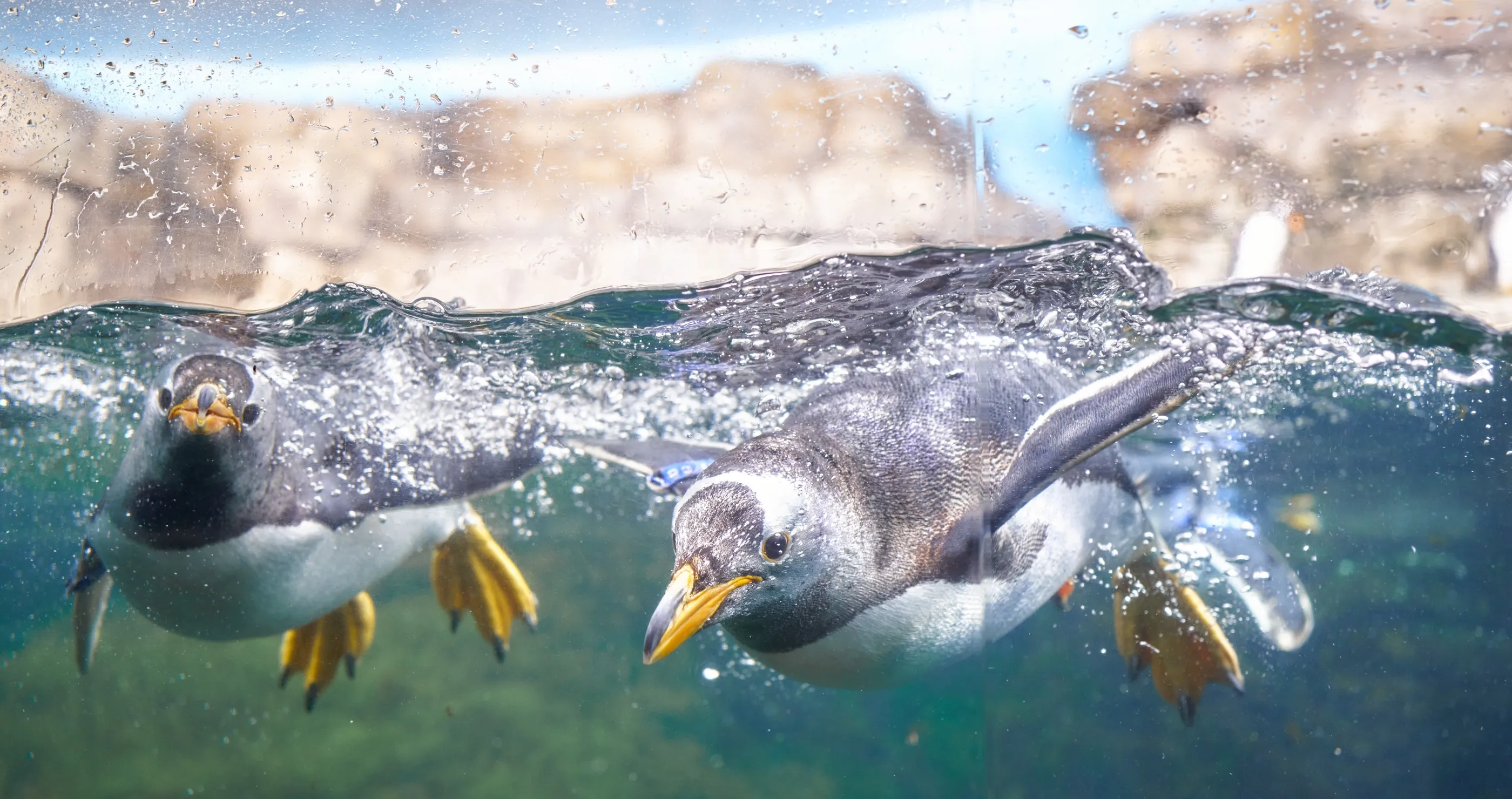

Many people argue that zoos are better for certain wildlife than the actual wild. Typically, those populations include endangered species or species that are losing their habitats. Those in favor of zoos argue that the animals receive good medical care, constant food and attention, and all the support they could need. However, it could be that the constant food is causing some of the problems. After a disturbing pattern with penguins being given unlimited food emerged, people are now questioning how great zoos are for wild animals.
Videos by Outdoors
Disturbing Pattern With Penguins Emerges
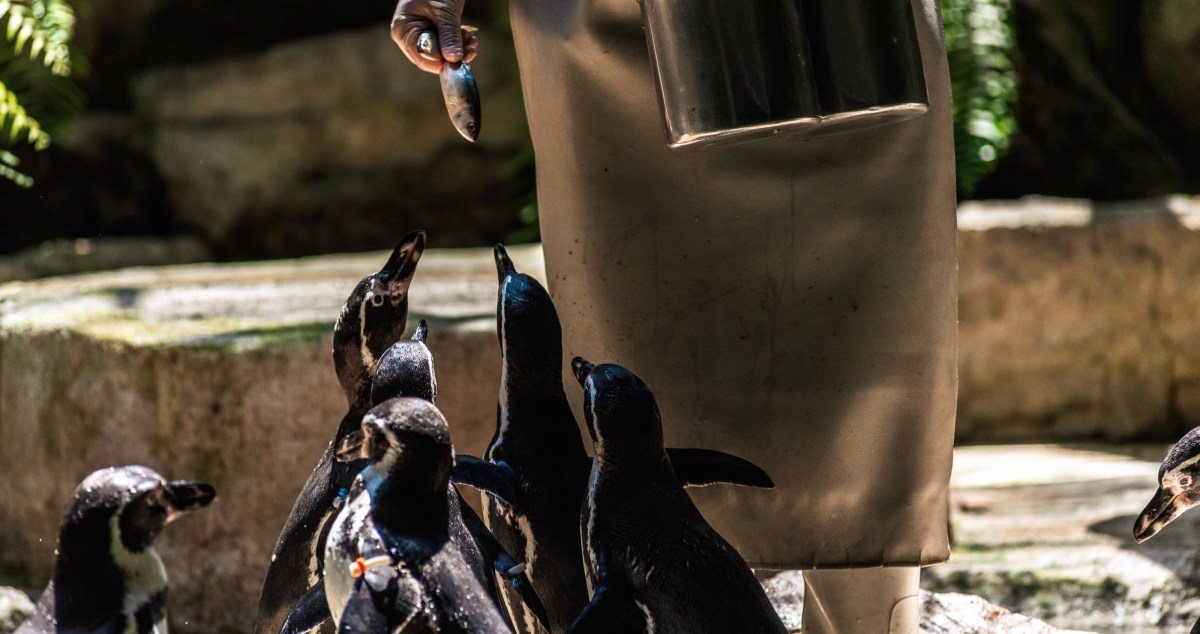
While it is nice to be pampered from time to time, too much pampering can be harmful. A prime example is with these penguins at zoos. Science Alert shared that these pampered penguins are eating as much as they desire, which has become problematic.
A disturbing pattern has emerged with these pampered penguins. Apparently, new research showed that “zoo penguins age faster than their wild counterparts.” Specifically, these penguins are aging faster biologically. The co-author of the study, Céline Le Bohec, is a scientist at the Monaco Scientific Center.
She explained that when studying the penguins, they found that “A 15-year-old penguin in the zoo has the body of a 20-year-old penguin in the wild.” The bizarre fact is that zoo penguins live longer overall.
Explaining The Findings
Although the findings seem a bit backward, the disturbing new pattern with penguins is not so bizarre. It is natural that penguins in a zoo would live longer than those in the wild. That is mainly because penguins in captivity face fewer threats. For example, they are safe from predators and any harsh weather environments. Additionally, they also receive ample food and veterinary care.
However, it also makes sense that biologically, they may not be as young or healthy as their wild counterparts. Despite their frequent medical care, penguins in captivity lead a relatively sedentary lifestyle. The study found that their “free-eating diets and limited physical activity contribute to a disruption of life rhythms, such as circadian cycles and sleeping patterns.” The disruption of such patterns leads to their accelerated aging.