



As AI continues to emerge, there are varying opinions about it. Some people welcome the tech evolution and relish AI and its advancements. Others feel threatened by it or think it is stifling creativity and taking jobs. Regardless of your stance on the issue, I think we can all find common ground here. Wildlife researchers recently shared the surprising way that AI and tech evolution have benefited wildlife monitoring.
Videos by Outdoors
How AI And Tech Evolution Have Benefited Wildlife Monitoring
Wildlife research has proved to be an invaluable tool in helping us better understand the world around us. However, the approach used was quite hands-on, which could be disturbing to the wildlife. Now, with the help of AI and tech evolution, wildlife researchers are able to take a more hands-off approach.
Cowboy State Daily shared the benefits of using a hands-off approach to studying wildlife. The benefits appear to be twofold. First, the hands-off approach stresses the animals less. Second, it saves “researchers from eye-blurring data crunching.” While researchers used to have to use nets or tranquilizer darts to get an up close look at animals, they can now use cameras.
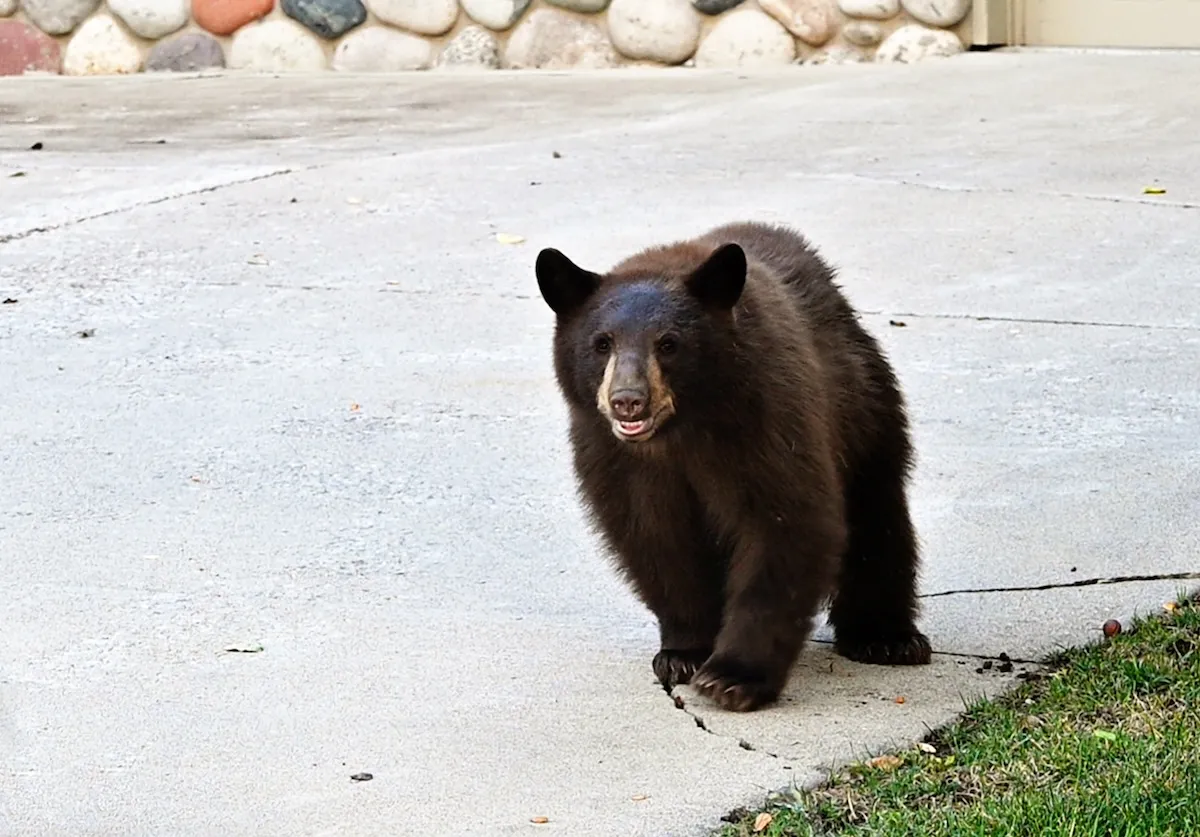
The outlet shared that “During a recent project in Yellowstone National Park, 120 remote cameras took 2.3 million photos over the course of roughly two months.” Those cameras were able to capture incredible shots of wildlife. However, out of the millions of photos, the researchers had their eyes set on 930 of them. Those photos were the ones that contained images of grizzly bears.
Rather than having to manually sort through the 2.3 million photos themselves, AI technology helped. The outlet shared that “artificial intelligence-driven software helped researchers whittle the photos down to what they were looking for.”
But Cameras Aren’t New?
While the use of AI to whittle down the photos was clear, you may be wondering how the tech evolution applies to the wildlife cameras. After all, trail cameras and camera traps are nothing new. While the device itself may not be new, “the capacity and durability of the cameras” recently reached new heights.
These advanced cameras, along with the AI photo-sorting software, have opened up a range of new opportunities for wildlife researchers. Not only do they get to save personal time by not having to manually sort through things for hours, but they also get to study wildlife in a way that is much safer for the animals. Regardless of your stance on AI, this particular use seems like a win-win all around.