




Canadian officials have issued a warning to the public after spotting this wild animal. The thing that made this sighting so unique is that this animal was sighted in an area where it does not belong. Now, residents in the small town of Tisdale, located in Saskatchewan, Canada, have to be on the lookout.
Videos by Outdoors
Officials Issue Warning After Spotting This Wild Animal
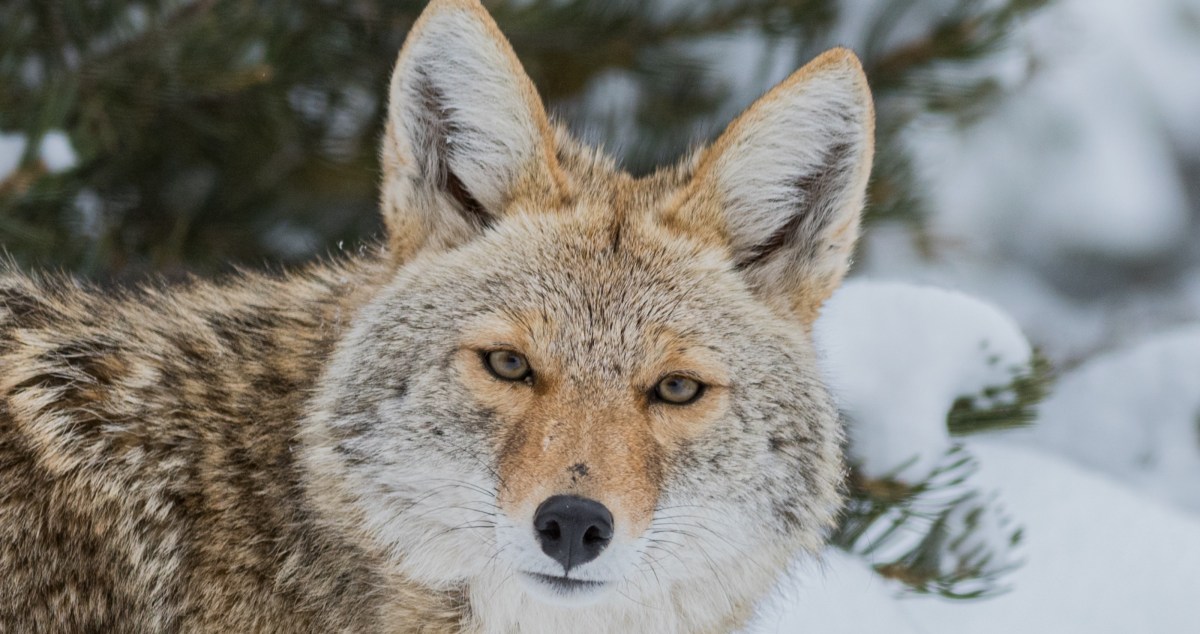
While coyotes may appear small and unthreatening, they can cause quite a bit of mayhem. That is why, after officials spotted a cluster of coyote sightings in a small town, they decided to issue a warning to the public. The warning was very simple: Be aware of your surroundings, and if you see a coyote, do not approach them.
While that sounds like common sense, you would be amazed at how many people approach wild animals without a second thought. This is especially true when wild animals appear close to their homes and show a lack of fear towards humans. The close proximity and lack of fear trick people into thinking the animals are docile.
Between December and January, Yahoo reports that “coyotes had been spotted moving closer to homes, walking routes, and busy sidewalks.”
Why Are The Coyotes Coming Closer?
Officials and conservation experts believe that the coyotes are moving closer to towns in the city due to the limited food resources during the winter months. The problem with that is that hunger is one of the motivating factors that could cause a wild animal to act aggressively. Additionally, wildlife may act aggressively if they feel threatened or ill as well. This is one of the many reasons that officials have issued the warning to steer clear of the animals.
A defensive coyote could be especially problematic to small children or pets. Seeing as coyotes typically avoid human interaction, their behavior around people is somewhat unpredictable. Additionally, experts argue that it is human behavior that is causing this change in the coyote. As people become lazy and leave their waste uncovered or unsecured, it leads to animals feeding on it, like the coyotes.