


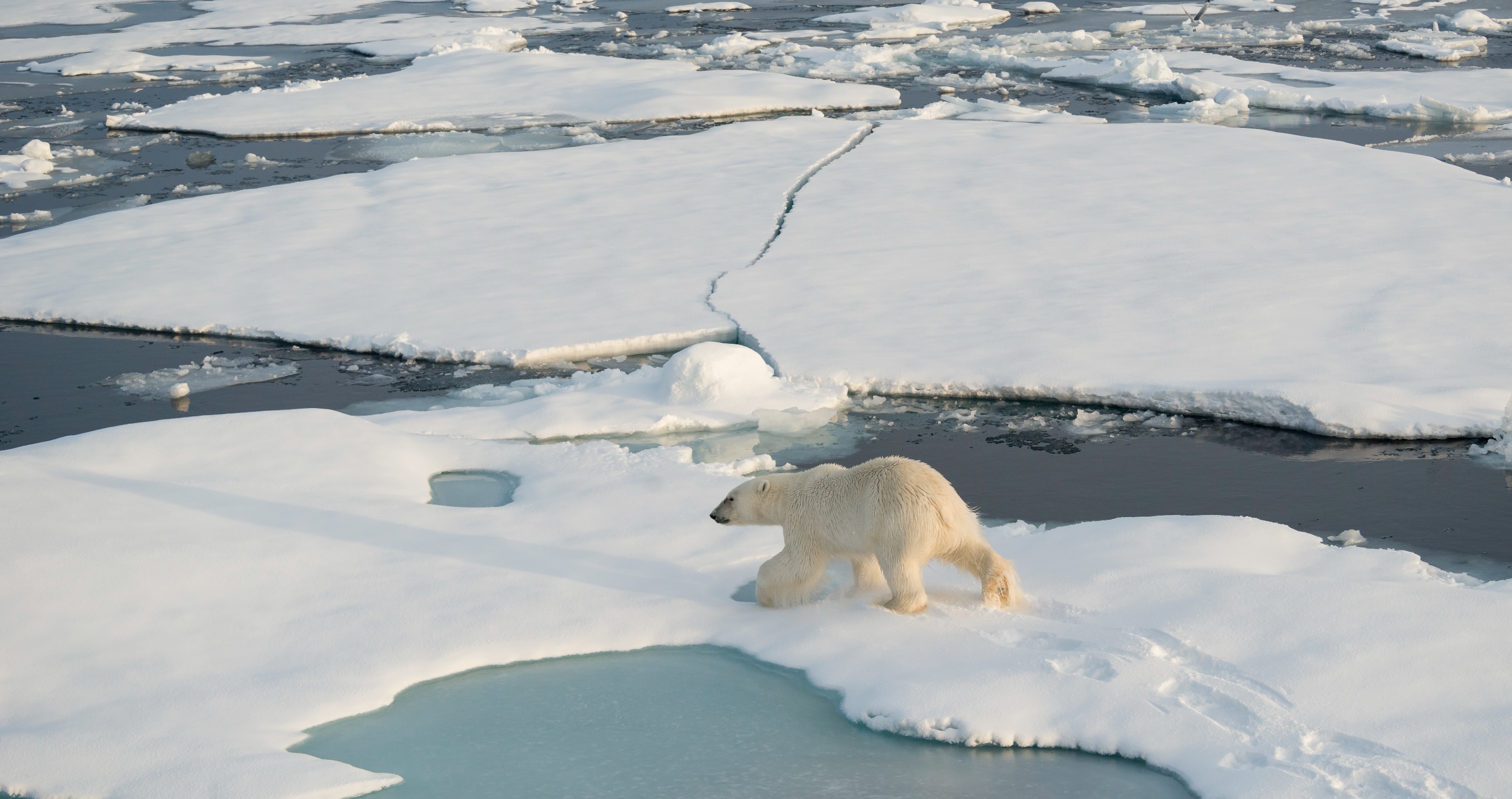

Many people know that polar bears are apex predators. However, new research released from the University of Alberta shines a light on another hidden role that they play. Find out just how important polar bears are to the Arctic ecosystem.
Videos by Outdoors
New Research Shows How Important Polar Bears Are To The Ecosystem
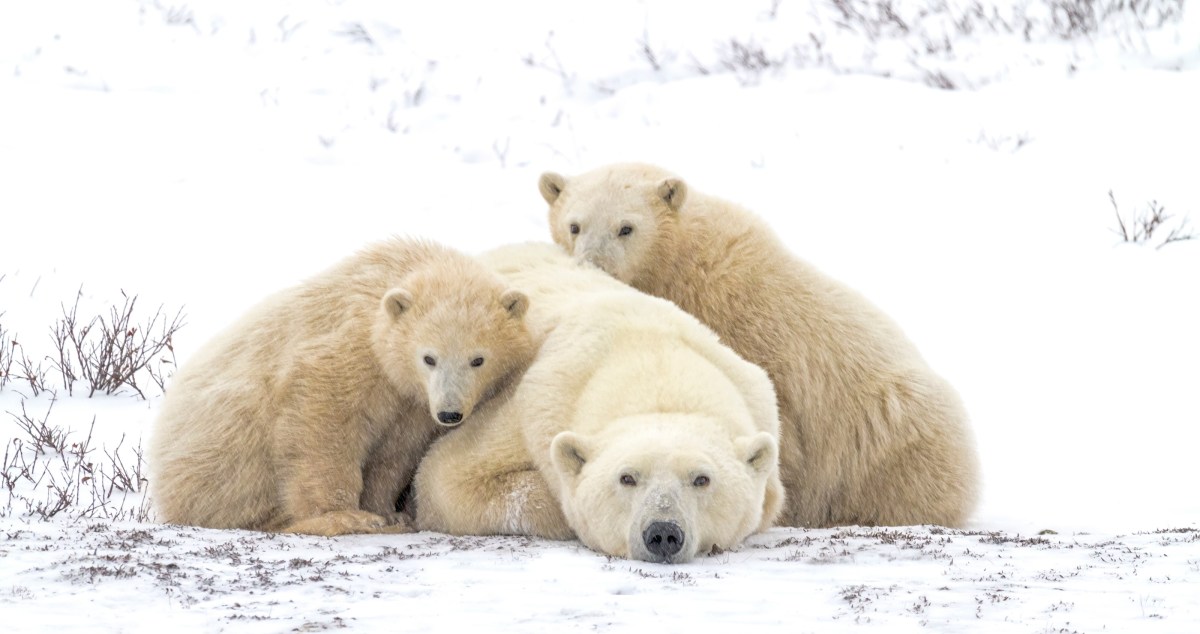
Research on polar bears is not new. However, as is the case with a lot of research, the longer you study, the more you uncover. The Gateway recently shared some of the findings from a new study. This study highlighted a hidden role that these bears play in their ecosystem.
Andrew Derocher, a professional in the department of biological services at the University of Alberta, is not new to polar bear research. He has been studying them for more than 40 years and has always found them fascinating. One area that has always fascinated him the most is their eating habits.
Not only are these bears apex predators, but they consistently leave large amounts of their food behind. While that may seem wasteful, it actually plays a hidden role in the Arctic ecosystem. Leaving these large amounts of food behind provides scavenger animals with plenty of food as well. Some examples of those animals include the Arctic fox and ivory gulls.
How Does This Hidden Role Support Other Species?
Derocher and his team decided to investigate “how polar bears supported other species through scavenging relationships.” He admitted to the outlet that conducting the research was challenging. Naturally, no one wants to get close to a polar bear after it made a fresh kill. Therefore, most of the research was “carried out from helicopters on sea ice.” Additionally, there was a lot of trial and error.
The data revealed that apart from being apex predators, these bears were helping their ecosystem with their discarded food as well. By leaving copious amounts of food behind, they helped the Arctic food web. In this way, the polar bears are directly connected to the scavenger species.
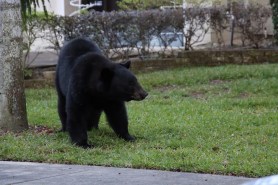
Imagine how different the Arctic would be if polar bears acted like grizzlies? Grizzlies typically cache their kills, hiding and storing them for later. If the polar bears did this, species like the Arctic fox or ivory gull would not have enough food. Then, as a result, the entire food web and ecosystem would collapse.
Instead, the animal will often abandon a meal once it is finished with it, leaving the rest to scavengers. Researchers hypothesize that this behavior has a lot to do with the frigid environment. Due to Arctic temperatures, the remains of animals would freeze quickly and be difficult to consume later. Therefore, the polar bears leave the remnants of their meal for the scavengers.