



Turns out Will Smith spends his time in more places than just Hollywood. The actor recently partook in something truly amazing. As a part of his new travel series show, Will Smith just took part in the discovery of a new anaconda species.
Videos by Outdoors
Will Smith And His Travel Series
Will Smith has a new National Geographic travel series. The series is called Pole to Pole, and it follows the actor as he journeys from the South Pole to the North Pole, exploring the Earth’s most extreme environments. Natgeotv shared that Smith was “inspired by his late mentor to explore life’s big questions.” Therefore, for 100 days, the actor opted to throw himself into incredible challenges.
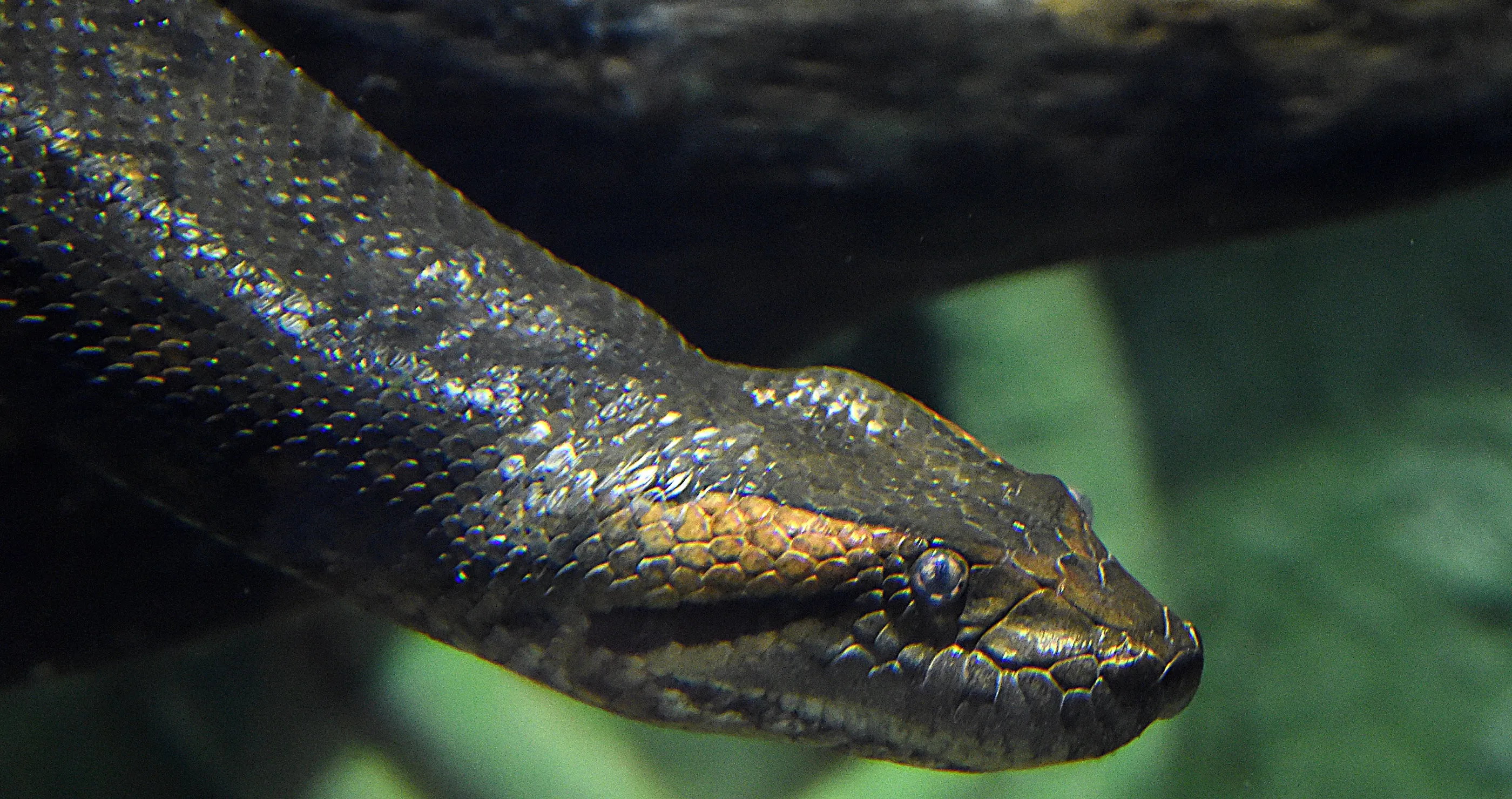
One of those challenges happened to be catching a giant anaconda. Not only was this snake a giant, but it was an entirely new anaconda species. In this particular episode of the series, Smith was traveling by boat down a river in Ecuador. Of course, he was not traveling alone.
PEOPLE shared that he was accompanied by “venom expert Bryan Fry, expedition leader Carla Perez, and Indigenous Waorani guides.” It was on this boat that he and the rest of the individuals spotted a giant anaconda along the river banks.
Smith knew his limits, so he allowed the local guides to brave the water and go after the snake. The guides attempted to immobilize the snake so that Fry and Smith could then take one of its scales. The outlet shared that they were doing so for “their snake genetics study.”
The Discovery Of A New Anaconda Species
As the guides were handling the large serpent, Smith expressed his surprise at the sheer size of the creature. “That’s gigantic. Wow!” Smith exclaimed. Seeing as the snake measured in at around 17 feet, I share his surprise.
After confirming that it was in fact safe to approach the immobilized animal, Will Smith bravely came closer to inspect the snake. Despite being hesitant at first, Smith did assist with the removal of the snake scale. He wiped the area of the snake’s belly clean so that Fry could cut off a scale to study later.
When explaining the process to Smith, he shared that they were doing this to “measure the accumulation of pollutants in the water.” Not only did this sample provide the intended information, but it also shared something surprising. The outlet shared that the sample, “helped scientists to discover that northern and southern green anacondas — which had previously been believed to have been the same species — were actually two genetically distinct species.”