




Once again, tourists are the reason for the demise of an ecosystem. Far too often, I write about how tourists disrupt wildlife and or the environment with their travels. I truly never thought it was so difficult to leave wildlife alone and to pick up your trash; alas, here we are. Now, it appears that the endangered galaxy frogs are disappearing at a rapid rate, and tourists are to blame.
Videos by Outdoors
Endangered Galaxy Frogs Are Disappearing
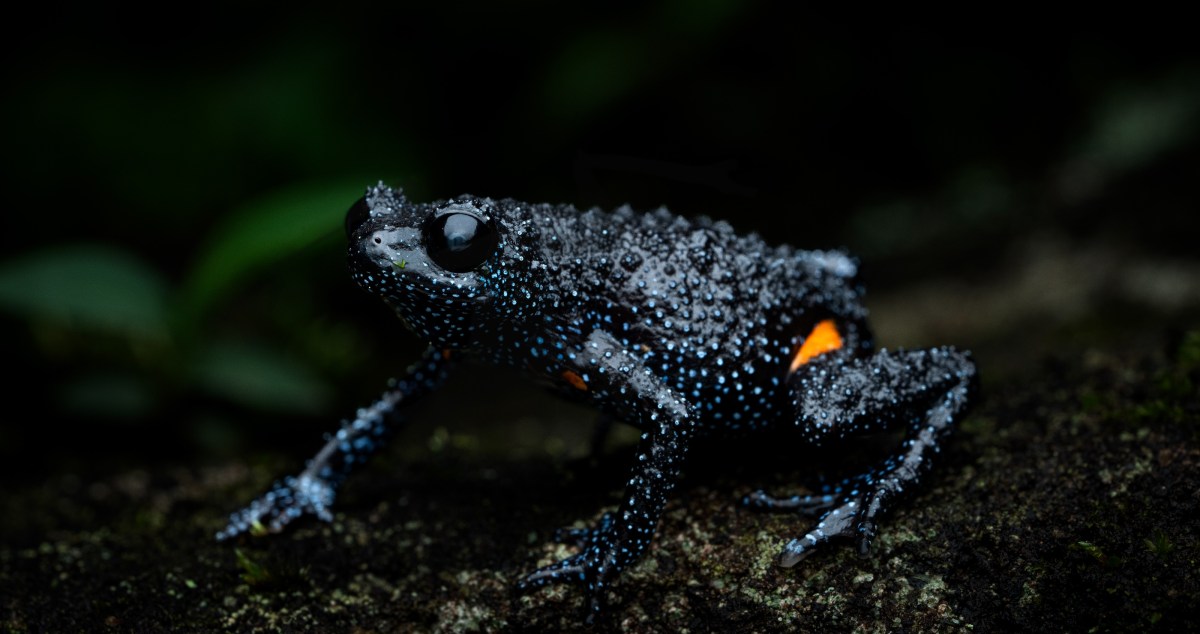
These stunning frogs got their name because of their incredible star-speckled bodies. Native to the damp, evergreen forests of the Southern Western Ghats in India, these galaxy frogs are endangered. PEOPLE shared that a recent report from the global conservation charity, Zoological Society of London (ZSL), showed their numbers were dwindling.
That report shared that in 2020, there were around seven galaxy frogs hiding beneath logs on the forest floor. Unfortunately, when researchers returned this December, they did not find those frogs. Instead, they found that the “logs had been overturned and vegetation had been trampled.” Naturally, there were no signs of the endangered galaxy frogs.
What was causing these frogs to disappear so suddenly?
Tourists Are To Blame
Unsurprisingly, tourists are to blame for the frog’s disappearance. Specifically, it is wildlife photography tourism that is threatening these endangered galaxy frogs. First and foremost, these wildlife photographers are disrupting the frog’s natural habitat in order to get the shot.
Things like lifting up those logs they were hiding under in order to snag the perfect shot of these creatures. While they may get an amazing shot, they leave an amazing amount of destruction behind. Additionally, PEOPLE shared that many of these tourist photographers are using flash when photographing the frogs.
Using the flash can cause “dehydration and stress in the rare frogs.” Let’s also not forget that several photographers were seen handling the frogs without gloves, because picking up wildlife with your bare hands always sounds like a good idea. Not only does that disrupt the frogs, but it also increases the risk of disease transmission.
With all of these disruptions occurring, it is no wonder that the endangered galaxy frog numbers are dwindling. Without the proper care, I fear we face losing these frogs for good.