




Invasive species are becoming more common, as is the destruction that they often bring with them. Recently, a new invasive species has begun to appear. An ant with a potentially deadly sting has invaded the U.S. and is spreading rapidly. Here is all you need to know.
Videos by Outdoors
New Ant With Potentially Deadly Sting Invades The U.S.
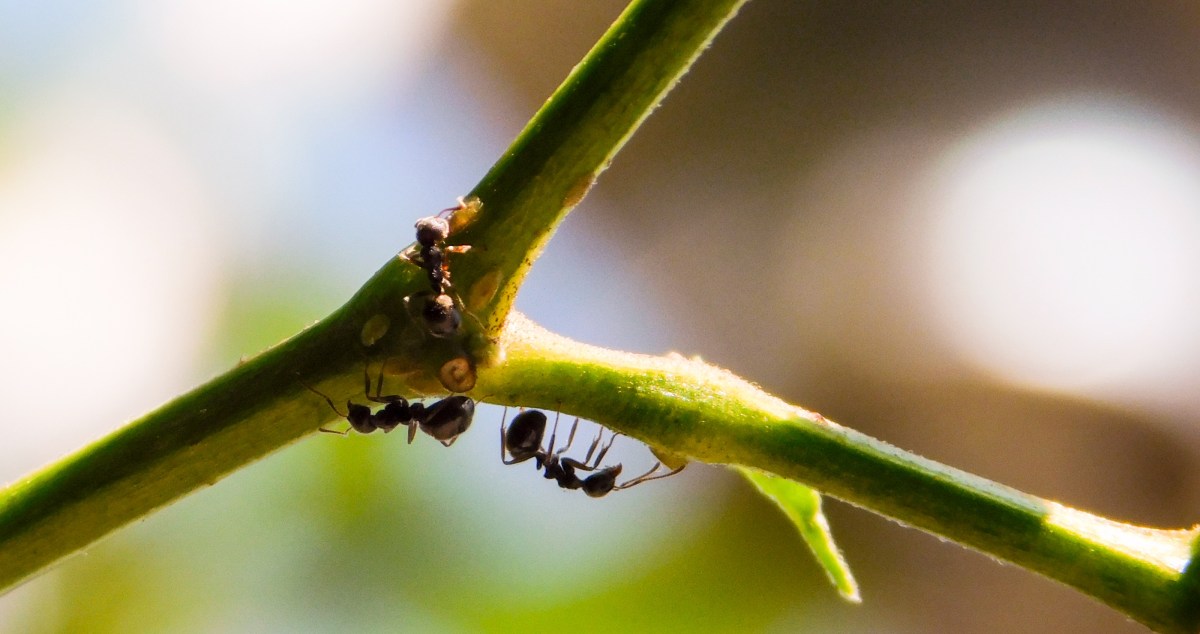
These invasive ants are known as Asian needle ants. Perhaps they get their name from the sharp, painful sting that they can deliver. This sting has been known to cause severe allergic reactions, hence why it is considered potentially deadly.
USA Today shared that this ant has “heavily invaded forests in Georgia.” Additionally, Emilee Poole, an entomologist with the U.S. Forest Service, shared just how prominent heavily invaded means. When speaking to the outlet, she shared, “Asian needle ants are in or under nearly every stump, log, or branch on the forest floor.”
Not really a comforting thought when you consider the fact that this ant has a potentially deadly sting. This is especially concerning once you discover that these invasive ants are not only in deep, forested areas. USA Today shared that they can “easily adapt to living in urban and suburban” areas as well.
What You Need To Know About The Ant With The Potentially Deadly Sting
So, what should you know about this ant with the potentially deadly sting? First and foremost, you should know how to identify it. This can be potentially tricky, seeing as they look similar to most other ant species. However, the Forest Service did share a physical description of them in an attempt to help.
The Asian needle ant is “shiny and ranges from dark brown to black.” Additionally, “their back legs and antennae are an orange-brown color.” Finally, this ant is quite small, only around 0.2 inches long.
Furthermore, Poole discussed the potential for danger if bitten by one of these ants. She admits that the reaction varies from person to person. If you are allergic to insect stings, the reaction may be more severe for you. This is particularly true given the fact that the Asian needle ant’s venom is more likely to cause an allergic reaction than that of some other venomous insects.
Some people have suffered from anaphylaxis after being bitten. However, others, such as Poole, experienced throbbing and a stie that was “red, itchy, and mildly swollen.” Rather than playing a guessing game to see which reaction you would have, it is best to avoid the ant with the potentially deadly sting.
Poole shared the places that these ants are most likely to be found.
- Mulch
- Potted plants
- Cracks in branches
- Logs
- Railroad ties
- Under leaf litter
- Potting and landscaping soil
- Wood chips